Conversations with Elizabeth Metcalfe

Exploring a fresh perspective on English interiors

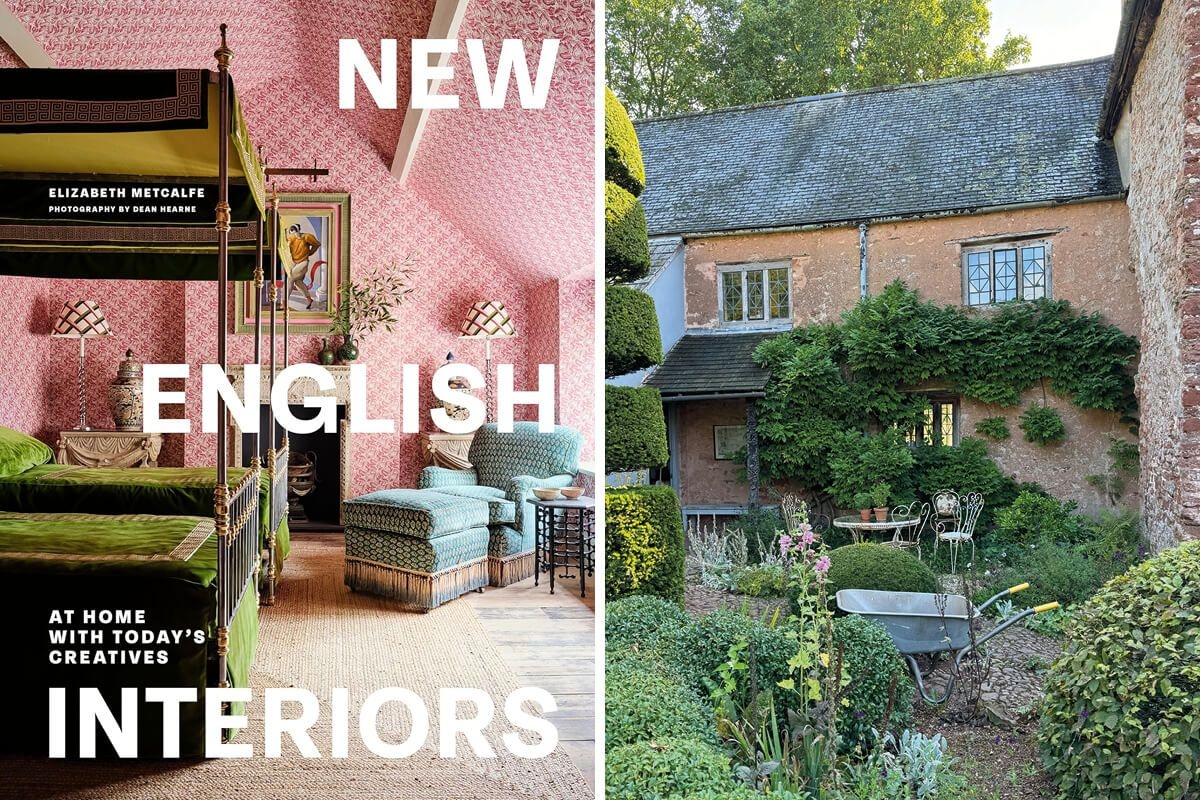
As Features Editor at House & Garden, Elizabeth Metcalfe is perfectly positioned to offer insight into the evolving English style of decorating. In her book New English Interiors, she explores its contemporary iteration through 22 fascinating homes, discussing the design choices and decorative flourishes of some of today’s most interesting creatives – from interior designers and illustrators to artists and antique dealers. It’s a celebration of the bold, eclectic, and personal approach that defines modern English interiors today.

We recently had the opportunity to sit down with Elizabeth and ask her what defines the “New English” style and to explore her thoughts on how to create interiors that are full of personality. Whether you’re a professional interior designer or simply passionate about design, Elizabeth’s insights are sure to inspire a fresh perspective on your own spaces.

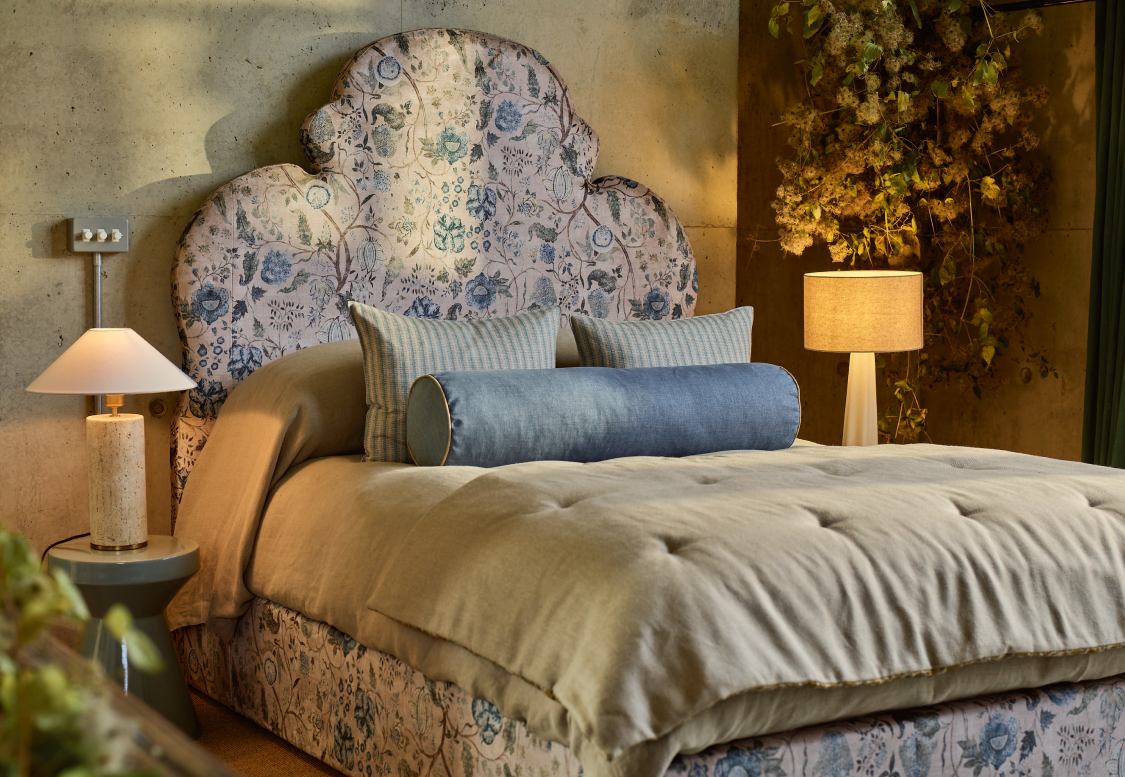
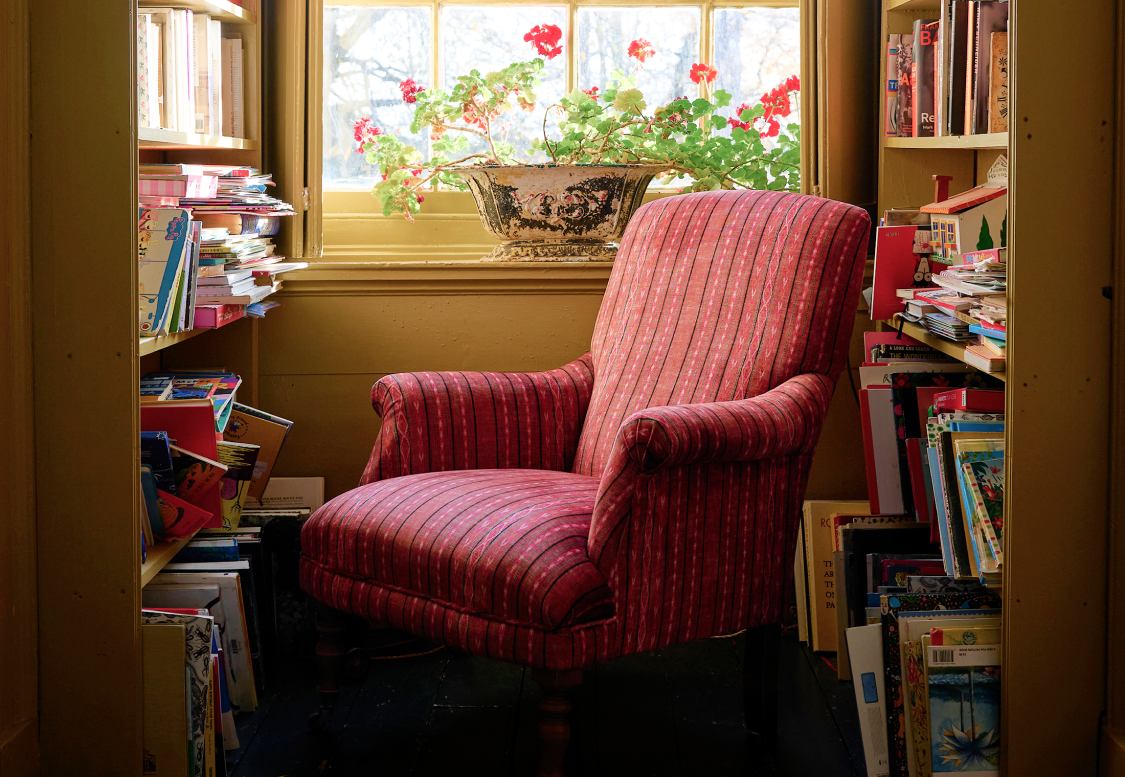
We’ve illustrated some of the themes raised by Elizabeth with images from our recent campaign shoots. One of the inspiring homes featured in her book is a stunning centuries-old red sandstone farmhouse in Somerset, which also served as the backdrop for our V&A Threads of India Opulent Velvets campaign shoot, and a place we feel especially inspired by.

Q: Elizabeth, what inspired you to write New English Interiors?

A: I was approached by my publisher, Frances Lincoln, to write a book that celebrated the richness of colour and pattern in interiors. From there, it evolved into New English Interiors, where I wanted to showcase how English design is shifting. Traditional English interiors have long been associated with bold patterns and colour, but the “New English” style introduces a slightly looser, fresher approach. It’s about creating spaces that are lively, playful, and reflective of the individual’s personality – making the home feel truly lived in.

Q: The homes in your book often embrace “organised clutter” and personal collections. Why do you think these elements bring so much joy to interiors?

A: The best interiors are those where the owners have let their personalities shine. The beauty of “organised clutter” or curated collections is that they tell a story – whether it’s vintage finds, artwork, or cherished objects from travels. These items create an environment that feels lived in and not over-styled. When you can see what people love to surround themselves with, it adds charm and authenticity. It’s not about perfection but about personal expression.
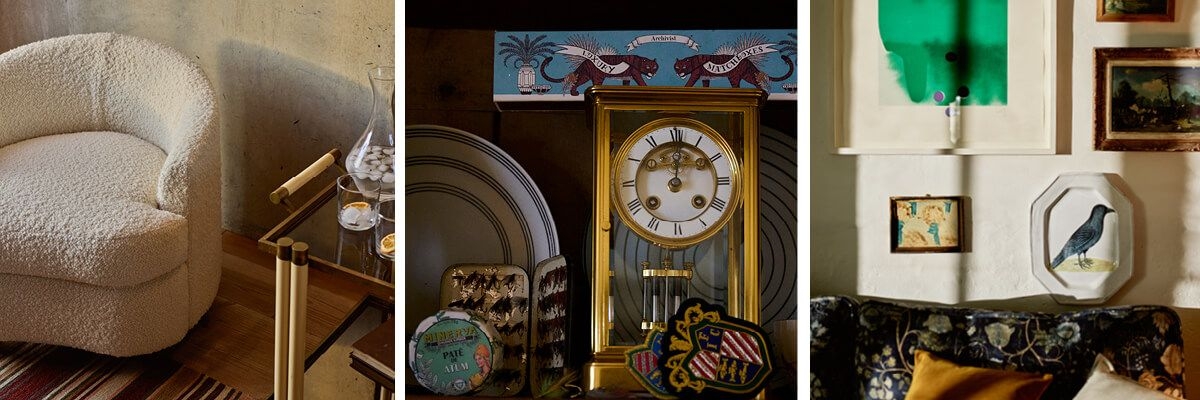
Q: New English Interiors promotes the idea of “slow decoration.” What advice would you give to someone feeling impatient about letting their home evolve naturally?

A: Slow decoration is about enjoying the process, not rushing it. Great interiors often come together over time. For someone who’s eager to make changes quickly, my advice would be to start by mixing different periods, styles, and price points – old with new, high with low. A few well-chosen antique pieces alongside contemporary finds can create the impression of a space that’s evolved organically, even if it’s just beginning its transformation.

Q: The 22 homes featured in your book mix bold colours and patterns in unexpected ways. Were there any combinations that particularly surprised or inspired you?

A: One of the most delightful surprises was seeing how people draw inspiration from the most unexpected places. For example, illustrator Fee Greening designed her utility room colour based on the dye job of her boyfriend’s hair at the time. It’s those kinds of personal connections to design choices that make a space feel truly unique. Another example is Tobias Vernon’s cottage in Somerset, where the walls were painted a simple white, but the richness of the room came from a carefully chosen collection of pieces – bright rugs, upholstered furniture, and art – that gave the space depth and warmth.
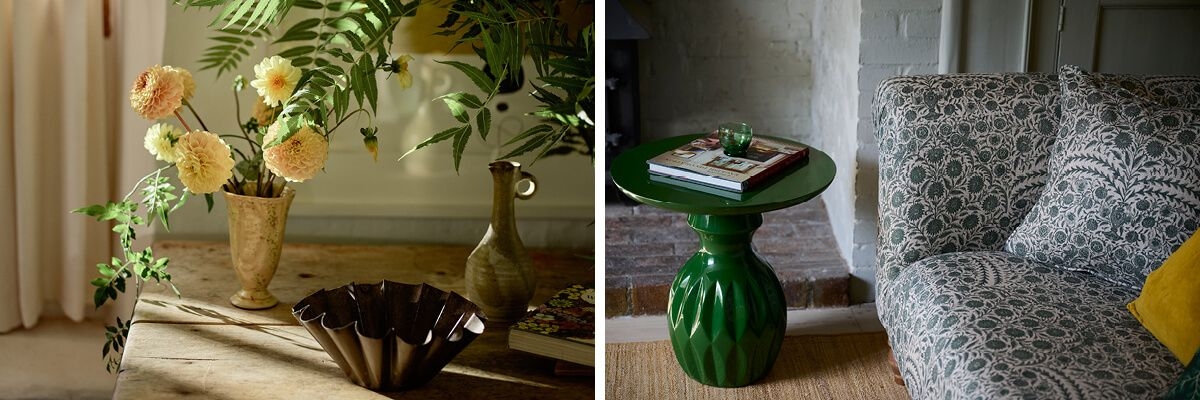
Q: Are there any design “no-nos” you’ve come across when creating a New English interior?

A: In a New English interior, the only “no-no” is trying too hard to follow trends. Design should be led by what brings you joy, not what’s currently “in”. This style is defined by the choices that reflect you personally, and the freedom to make those choices without being concerned about fitting into a certain look. It’s about what feels right for your home and your personality.

Q: For someone trying to achieve a modern English interior look, where would you suggest they start?

A: Start with what makes you happy. If that’s a bright yellow sitting room, then go for it. If you prefer a more neutral backdrop, then let your art and collections bring in the colour. The New English style thrives on collections, so don’t be afraid to rummage – markets, charity shops, and antique fairs are great places to find unique pieces. Let those finds guide the evolution of your space, and trust that it will all come together over time.

Q: Sofas are often the centrepiece of a home. What advice would you give for choosing a sofa that will remain stylish and functional as spaces evolve?

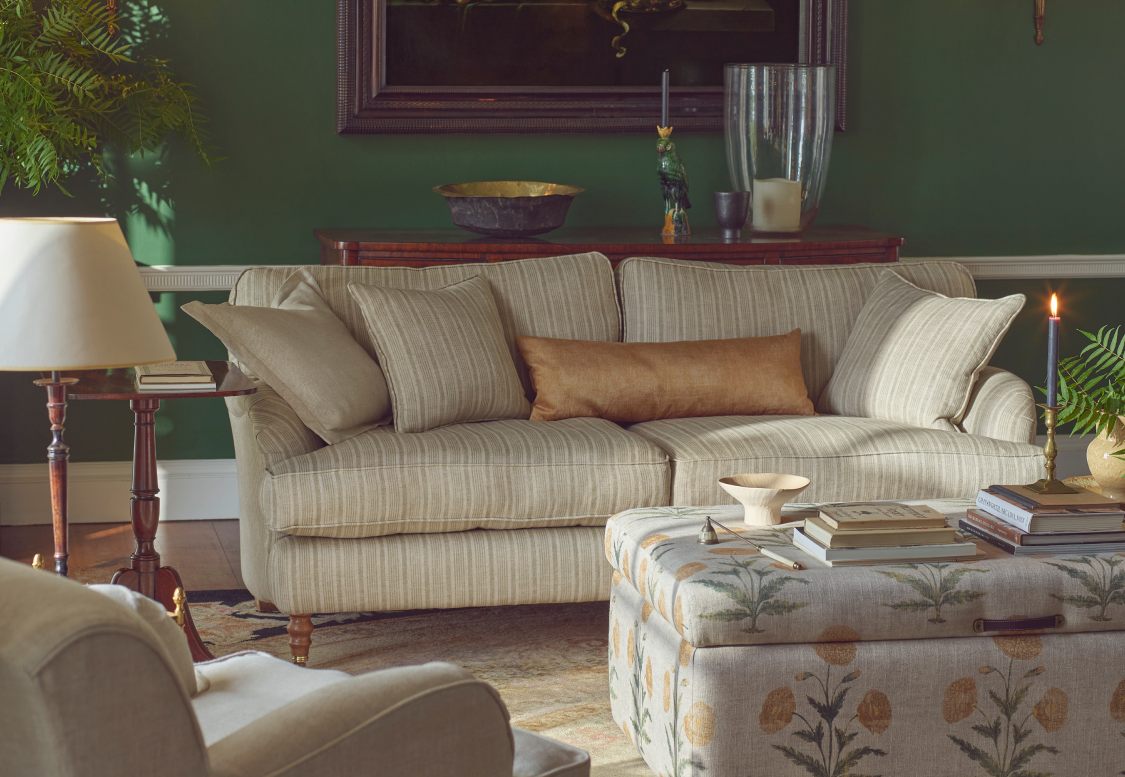
A: When choosing a sofa, make sure comfort is just as important as style. This is where you’ll unwind after a long day, so it needs to support both your practical needs and aesthetic preferences. If you’re aiming for flexibility, I recommend sticking with a neutral, plain fabric for the sofa itself and then layering in patterns and colour through cushions. This way, your sofa can evolve with your style over time, and you can refresh the look whenever you like.
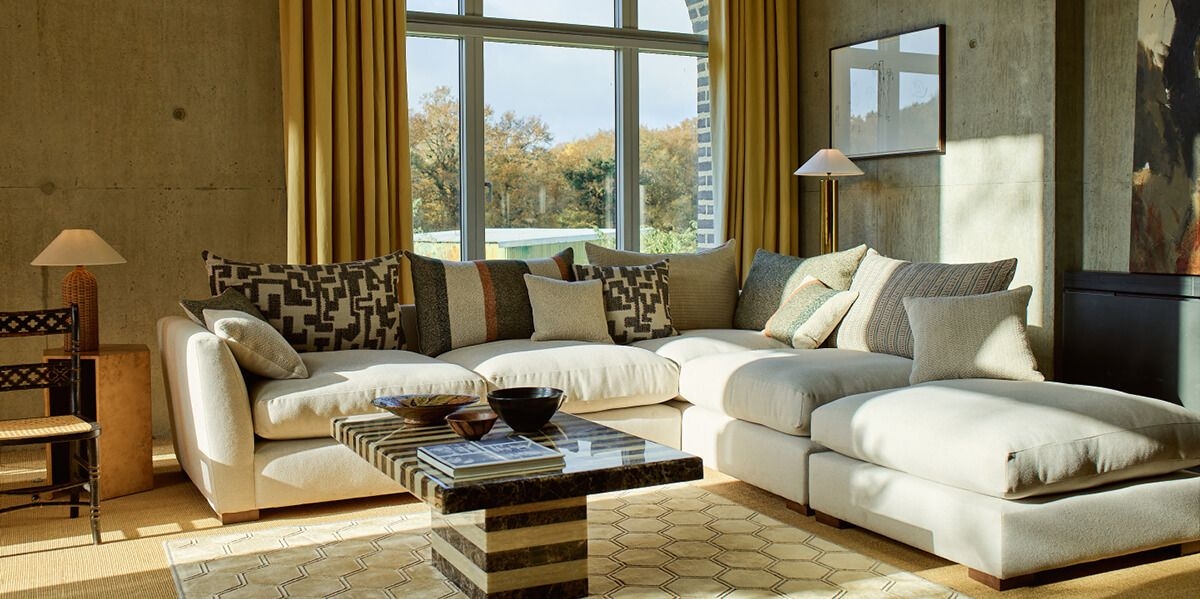
Hambledon corner sofa in Cloth 22 Weaves.
Q: How does your own home reflect your design philosophy?

A: My own home is a work in progress, and I’ve been living with off-white walls for a couple of years. But recently, I’ve started adding colour – my sitting room is now a soft pink, and my bedroom is a glowing yellow that brings me so much joy. I’ve always collected pieces from flea markets, antique fairs, and travels, so my home is filled with objects that carry memories. For me, interiors are about making choices that reflect who you are and what makes you comfortable.
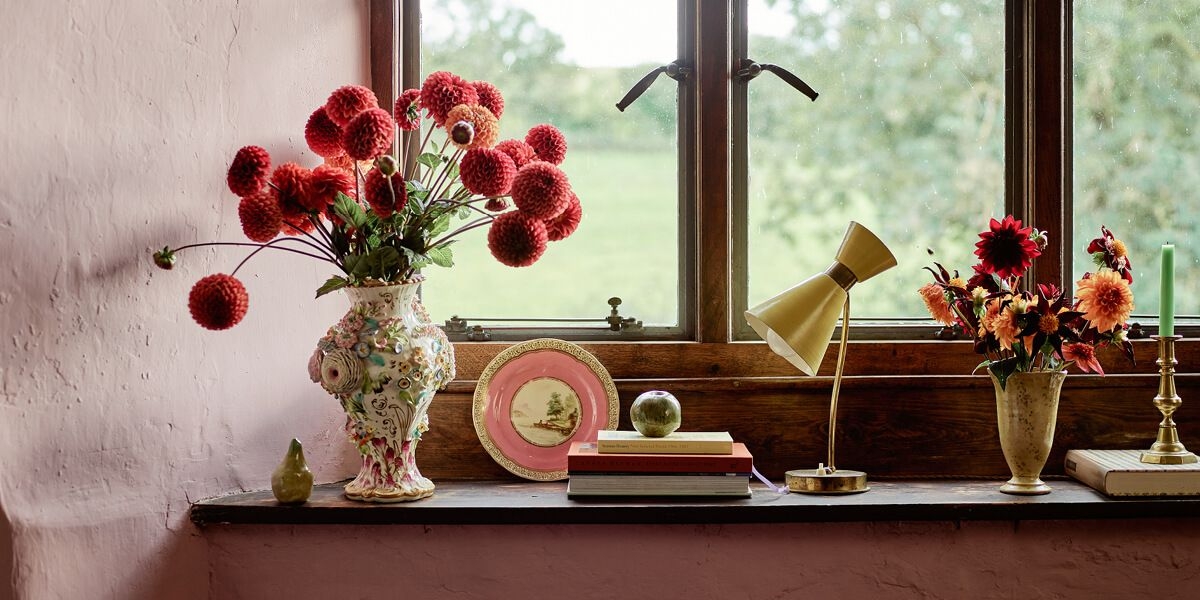
Quickfire Round with Elizabeth Metcalfe

Velvet or Linen? Linen

Florals or Stripes? Stripes

Beamed Cottage or Georgian Townhouse? A bit of both! But if I had to choose, I’d pick a Georgian townhouse for its proportions.

Key takeaways from Elizabeth Metcalfe’s review of the New English style

Don’t rush the process: Great design evolves naturally. Take your time and enjoy building your space over time.

Mix it up: Layering old with new, high with low, creates a timeless, collected feel.

Create a space that reflects you: Whether it’s vibrant colours, a collection of meaningful objects, or a relaxed style, your home should tell your story.
If you’re inspired by Elizabeth’s thoughts on evolving spaces, embracing collections, and mixing periods, why not take a closer look at how we can help you and your clients personalise interior spaces with fabrics and upholstery design details that speak to interests, passions and personal stories.

Take a look too at our recent Uncommon Threads campaign, and follow the personalised sofa journeys of three creative individuals eager to weave their personal stories into beautiful bespoke furniture for their homes.
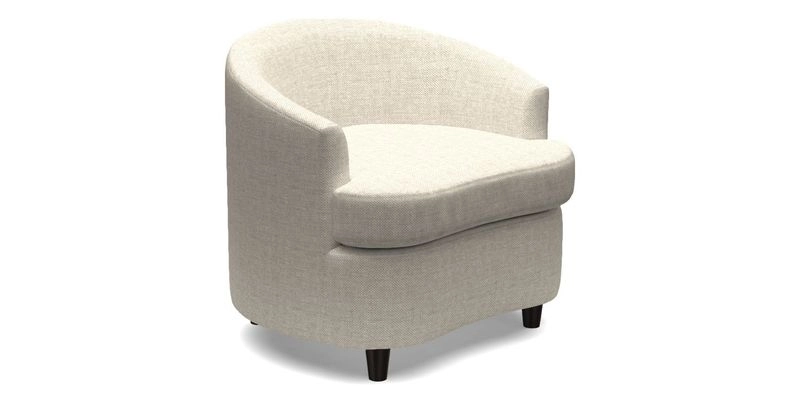
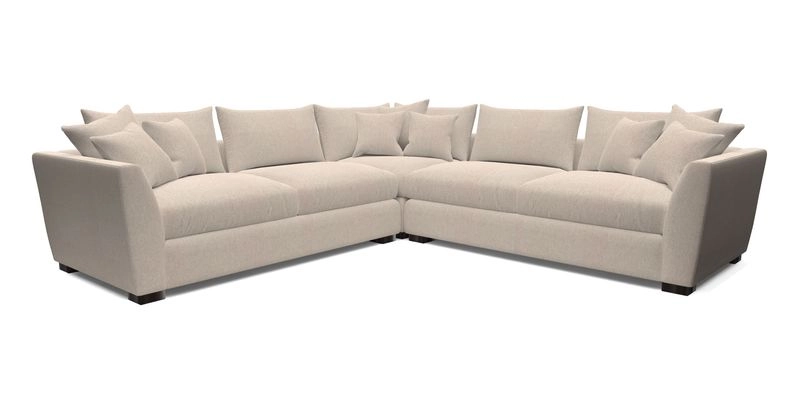
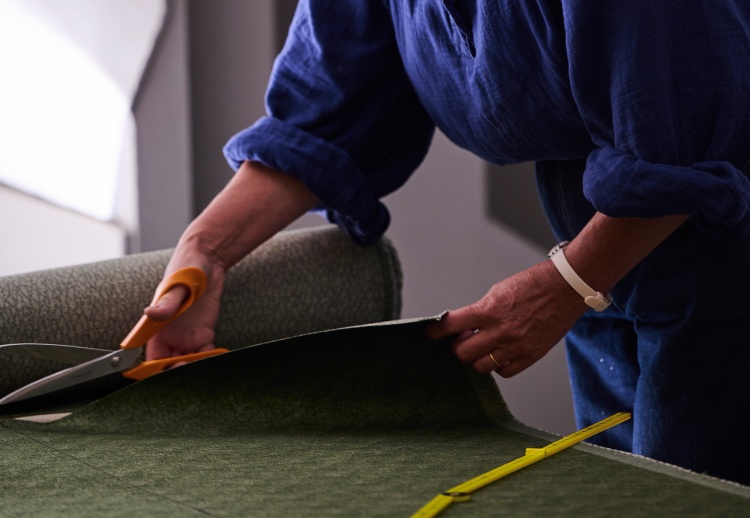
We have a team of furniture makers and upholsterers based in our very own Preston factory, who make each customised piece with care and ensure quality in every detail. This, combined with the personalisation potential of every piece, gives rise to furniture that is designed to last in both construction quality and in the story of your home.

Customisation options across sofas, chairs and beds

We encourage our customers to consider the big picture when they purchase one of our custom-built pieces. From lifestyle nuances down to the mood you wish to evoke when you walk into a room, every detail counts to create a piece of furniture you love.

The below customisation options help create furniture that is perfect for your home. Our showroom teams will be thrilled to explore these in more depth if you decide to pay us a visit.

V&A Drawn from Nature, Willow in several colourways.
Upholstery fabrics

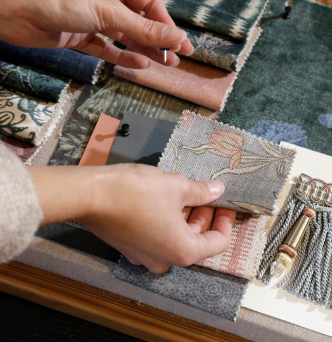
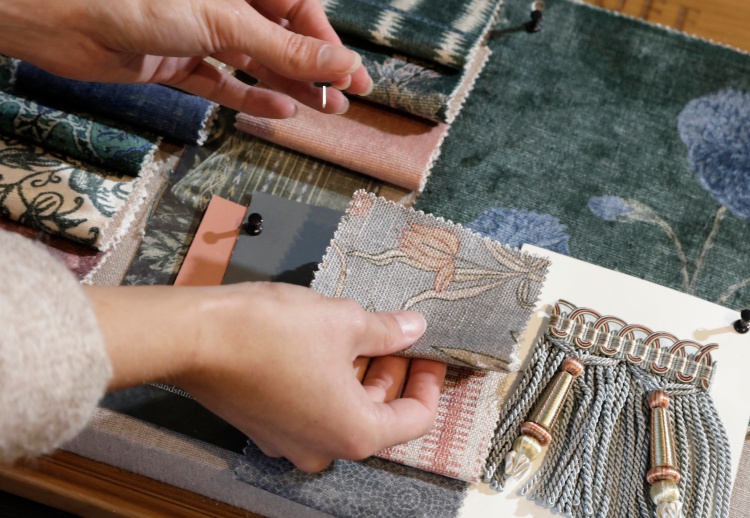
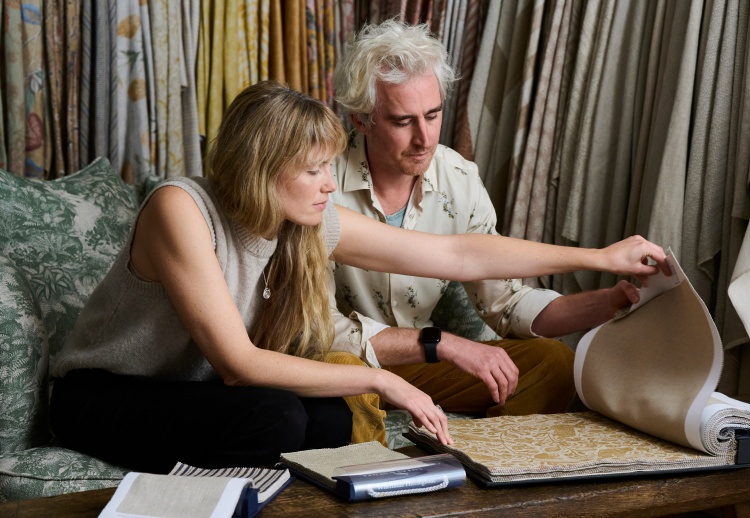
At the heart of our customisation options is your freedom to choose the upholstery fabric – or indeed fabrics – for your sofa or bed frame. We have curated an expansive fabric library, full of inspiration for all kinds of homes and lifestyles.

Choosing your upholstery fabric is quite like selecting a new piece of clothing. While colour and material are without a doubt important, considering how a fabric makes you feel, its texture and its longevity can all help to guide you towards the perfect choice.

Come and visit our showrooms to leaf through our many fabric books and speak with our knowledgeable team. This is a brilliant way to find inspiration or to happen upon the exact fabric you envisioned. Once chosen, your fabric will be diligently upholstered on your selected silhouette by our skilled team in Preston.

Design consultant top tip: “Think of your furniture as more than just functional pieces; they contribute to the soul of your home. Choosing the perfect fabric for you is key. It should reflect your style, feel right, and make you happy every time you walk into the room.”

Suzanne Musemeci Fittleworth

Custom scatter cushions

Our custom scatter cushions are filled with the downiest duck feathers and are available in any of the myriad fabrics in our library, including our exclusive collaborative collections with the RHS and the V&A.

Not only will a scatter bring extra softness, comfort and warmth to your sofa but they are also a simple way to enhance the look of your piece. Whether you decide to match the fabric of your sofa, select a different complementary hue or even layer different shades and patterns with multiple scatters, they are a truly excellent way to dress your couch.

Choosing how many scatter cushions is naturally down to personal preference, but we tend to recommend between 2-4 on a standard 3-seater sofa, allowing you to achieve a symmetrical look without overcrowding the seating area.

Pugin 3 seater sofa in V&A Threads of India Varanasi Wilderness Pitch.
Piping

Piping is the curved edging around the seams of an upholstered piece of furniture or a scatter cushion. It neatly outlines the shape and finishes the upholstery off beautifully, bringing the piece to life.

In many cases, our customers choose to incorporate contrast piping into their sofa design, selecting a contrasting colour to emphasise the lines of a silhouette. This can be particularly effective for our more structured pieces, such as the Chesterfield-style Haresfield.

Haresfield sofa in Omega Airforce with contrast piping.

Alternatively, piping can be designed to blend into the colour of your chosen upholstery fabric to create a cohesive, more subtle look, such as in the Leyburn below.

Leyburn 3 seater sofa in Signature Plain Bilberry.
Feet finishes

The feet of a sofa are a significant part of its look, influencing its formality and how it fits into your existing décor. All of our sofas have solid oak feet and are available in a variety of stains and finishes. Many are also available without castors, which add their own distinctive look.

By specifying the stain you would prefer for your custom sofa, you can achieve your desired finish, complementing your upholstery fabric as well as tailoring your piece to match any existing wooden flooring.

Anglesey chaise in V&A Brompton Collection Ikat Basil with turned oak legs in a light stain.
Buttoning

Buttoning on the back and/or arm of your sofa creates a classic, tufted look. It is a highly skilled technique whereby fabric covered buttons – which can be in the same or a contrasting material as your sofa – are pressed into the upholstery, at regular intervals. Buttoning can be shallow or deep.

The finished look is neat and traditional and can add firmness to the back or arms of your piece. Many of our sofa and bed silhouettes are designed in this buttoned style – such as the Arncliffe sofa and the Pentlow bed frame – but you can speak to our design consultants should you wish to incorporate it into an otherwise unbuttoned design.

Arncliffe 3 seater sofa in Traditional Vintage Velvet Olive.
Fringing

Custom fringing has risen in popularity with our customers and in interior design trends in recent years. It is a fantastic way to create a really unique piece of furniture and can be incorporated into anything from small scatter cushions to your full sofa or bed design.

Traditionally, fringes were used in clothing to prevent a cut piece of fabric from unravelling if it wasn’t hemmed. Now, it is typically made separately and sewn on. Choose a complementary or contrasting colour for a cohesive or more statement look.

Customisation options specific to sofas and armchairs

The below personalisation options apply specifically to our sofas, including corner sofas, chaise sofas and armchairs, tailoring both the comfort and look of your made-to-order piece.

Cushion interiors

As well as looking the part, we design our sofas to offer superior comfort. Just as with aesthetic customisation, we believe in making this comfort individual to you and your home. As such, you are free to customise to your notion of comfort by choosing from three interiors for your sofa cushions.

These options are duck feather, Quallofil Blue eco fibre and ‘3F’ – feather and fibre around a foam core. Each of these cushion interiors offers varying levels of support and ‘pillowiness’, ranging from luxuriously soft duck feathers to more supportive fibre. You can read our cushion interiors blog to find out more about each option or speak to our design consultants in-store.

Helmsley 3 seater sofa in RHS Botanicals Ferns Toile Bark and Manhattan Acorn.
Custom sofa depth

Another way to adapt the comfort of your custom sofa is to specify a tailored sofa depth. Many of our sofa, armchair and snuggler models can be crafted with a deeper seat, which can be more comfortable for those who are taller. Please visit your local showroom and discuss your requirements with our design consultants who can advise on how we can help.

Customising the depth of your custom piece can also help it to fit more comfortably in your space, accounting for more unique nooks as well as existing furniture.

Loose covers

A loose cover is a type of customisation option available on a range of our sofa and armchair models. Loose covers are removable covers which can be placed over your sofa.

They might be used for aesthetic reasons only, such as adding a skirted look around the bottom of the sofa, or to give a more flexible option for the upholstery of your piece. In these cases, they offer a way to change the fabric of your sofa without the need for full reupholstery.

Kentwell loose cover armchair in Sole Linen.

Come and visit our showrooms for more inspiration

Our showrooms are your space for creativity, imagination and inspiration. The place to go for bespoke sofas, armchairs and beds, you’ll be invited to take your time to browse a selection of our models and over 200 fabric books on location.

Above are just some of the main ways you can customise one of our pieces to your individual vision. Speak with our friendly and seasoned design consultants to explore the options on offer, or uncover new ideas, and make your final decision with confidence. You can also view our range of sofas and other custom-made furniture on our website, where you’ll be able to order up to 8 free fabric samples to start your customisation journey.